Saturday, 24 April 2021

Which Himalayan Destinations Would Be The Best For Bird Watching?

 One usually thinks that birding in the Himalayas involves long tiring treks over steep slopes and camping in the mountains, all while carrying luggage and your birding equipment. While birding in the northernmost reaches of the mountains may be so, birding in the Himalayan foothills is actually a leisurely experience, and relatively easy.

The wildlife and birdwatching destinations of North India are perfect for anyone who is a first-time visitor to the country and its wildlife. With a wide variety of landscapes and habitats, home to a wide variety of animals and birds, this region is one of the most promising and fulfilling of wild destinations that India has to offer.  This guided birdwatching and wildlife tour takes you to some of the best sites of North India, such as Sultanpur National Park, the Doon Valley in the Garhwal Himalayas, Himalayan Foothills near Nainital, and the Corbett National Park, one of India’s premier tiger reserves. 


Your first destination on this tour of the Himalayan foothills is the picturesque Doon Valley, home to the hill station of Dehradun, the capital of Uttarakhand. Nestled amidst the Himalayas and the Shivaliks, and Rivers Ganges and Yamuna, Dehradun is one of the most popular hill stations of the country. Apart from being home to many tourist attractions, the Doon Valley is also a great birding destination, acting as a gateway to the rest of the Garhwal region, with species like Grey-headed and Scaly-bellied Woodpeckers, Crimson Sunbird, Changeable Hawk-Eagle, Cinereous Vulture, and more. 


The nearby forests of Jabarkhet and the surrounding areas have immense ecological value, both for the biodiversity they harbor and the services they provide. As one of the few remaining natural forest patches near Mussoorie with connections to the Shivalik Hills and the middle Himalayas, they form an important wildlife corridor. They also sustain a critical water source that feeds into the Kolti Nala, which is the source of water supply for a large section of Mussoorie residents. 


From the Doon Valley in the Garhwal region, you head to the other part of Uttarakhand, known as Kumaon, and India’s oldest and possibly best-known tiger reserve, the Corbett National Park. Established as the Hailey National Park in 1936, Corbett is India’s oldest national park and tiger reserve. Located in the western Himalayan foothills, Corbett is one of India’s premier wildlife destinations. Apart from a healthy population of tigers and elephants, Corbett is also home to a wide variety of birds. The park is also home to a wide variety of habitats, from riverine belts, marshlands, and lakes, to forests and grasslands, adding to both its natural beauty and biodiversity.

Corbett is best explored by jeep or canter (open bus) safaris. One also has the option of staying inside the park at the forest rest house in Dhikala. However, the Dhikala Rest House is not luxurious, and only has a limited number of bookings available.


Moving up the Kumaoni foothills, you travel to the little hamlet of Pangot. Pangot is a quiet hamlet surrounded by the Himalayas, lush meadows, tall Deodar and Oak trees and is home to a variety of bird species. You will experience the true heritage of the ecovillage at a local family’s home, share a cup of tea with them, share their stories and experiences, experience the local cuisine and immerse yourself in the very aura of this quaint haven. 

Governor’s House (Raj Bhawan) is another excellent site to learn more about the old world charm of Pangot and its surrounding areas. Spend time walking around the village, observing the way of life and understanding the heritage and cultural values of Pangot and its neighbours, 

Nowadays, Pangot is first and foremost known as a birding paradise. The thick Deodar forests prove to be an ideal hangout hotspot for birds. One can see a variety of Himalayan species such as Himalayan Vulture, Blue-winged Minla, Spotted & Slaty-backed Forktail, Rufous-bellied Woodpecker, Rufous-bellied Niltava, Kalij Pheasant, a variety of thrushes, and more. Almost 150 bird species have been recorded at Pangot and the surrounding areas.


Apart from being India’s oldest birding lodge, Jungle Lore Birding Lodge in Pangot is also at the forefront of the Zero Waste Pangot project, a project that aims to reduce waste by adopting responsible waste and water management practices, and teaching them to other lodges in Pangot. Through village walks, Jungle Lore also showcases local rural village life, while activities like cooking classes help traditional practices endure and spread.


Nearby Pangot is another birding hotspot known as Sat Tal. Located in the Himalayan foothills near Nainital, Sat Tal is named after the seven interconnected lakes located near it. Set amongst dense forests of oak and pine trees, Sat Tal is one of the few unspoiled and unpolluted freshwater biomes in India. These lakes are a paradise for migratory birds. It is home to a few camps being operated mostly by local people catering to tourists looking for outdoor vacations.


Sat Tal is home to the Sattal Mission Estate and Methodist Ashram, better known as the Sattal Christian Ashram, which was established in the early 20th Century by a Christian evangelist and missionary. It is one of the heritage places in Sat Tal and provides an insight into the olden times. Another heritage site in Sat Tal is the beautiful waterfall, Subhash Dhara, which is a natural spring of crystal clear water that cascades down from the lush oak forest. The locals of Sat Tal prepare local traditional delicacies which form the heritage value of the town.

To know Information's 
www.asianadventures.net
E: info@asianadventures.in
M: 08010450000


What Are Some Best Places For Birdwatching In Goa?


Goa is most popular for its beaches and happening nightlife. People from across the world visit this place. Tons of languages like English, Marathi and even Portuguese are spoken here. Since the place has international holidayers, you will find multilingual people who speak French, Russian, Spanish, and many other languages. 


Although the smallest state in the country, and a popular beach and party destination, Goa is a favourite destination for birders as well, as it offers a wide variety of birdlife and habitats ranging from coastal area to marshes, woodlands to the tropical jungles of Western Ghats. Goa is a birder’s paradise with many excellent habitats: wide river estuaries, mangrove swamps, marshes, scrub-covered hillsides, arid fields, rich forest reserves at the foot of the majestic Western Ghats and a spectacular bird-thronged lake at Carambolim.  Goa has nearly 460 species of birds. It also includes around 24 endemic species, which is phenomenal.


October to February is the best time of the year to visit the place. This is because, at this time, most of the migratory birds from colder regions come to Goa. The ornithological interest has been substantially increased in this place for a few years. Your experience in Goa will leave you ecstatic if you are a bird lover!


You can see many species endemic to peninsular India as well as a large number of wintering species from farther north and more widespread Asian birds. Wonderful birds, exquisite beaches, delicious food and the easygoing Goan lifestyle - it is almost too good to be true! 


The starts on a Goa birding tour are mostly early in the mornings. Since birds are constantly changing feeding and roosting areas according to water levels and other factors, there is no fixed schedule. Instead the guide will use his expertise to decide excursions on a daily basis. 


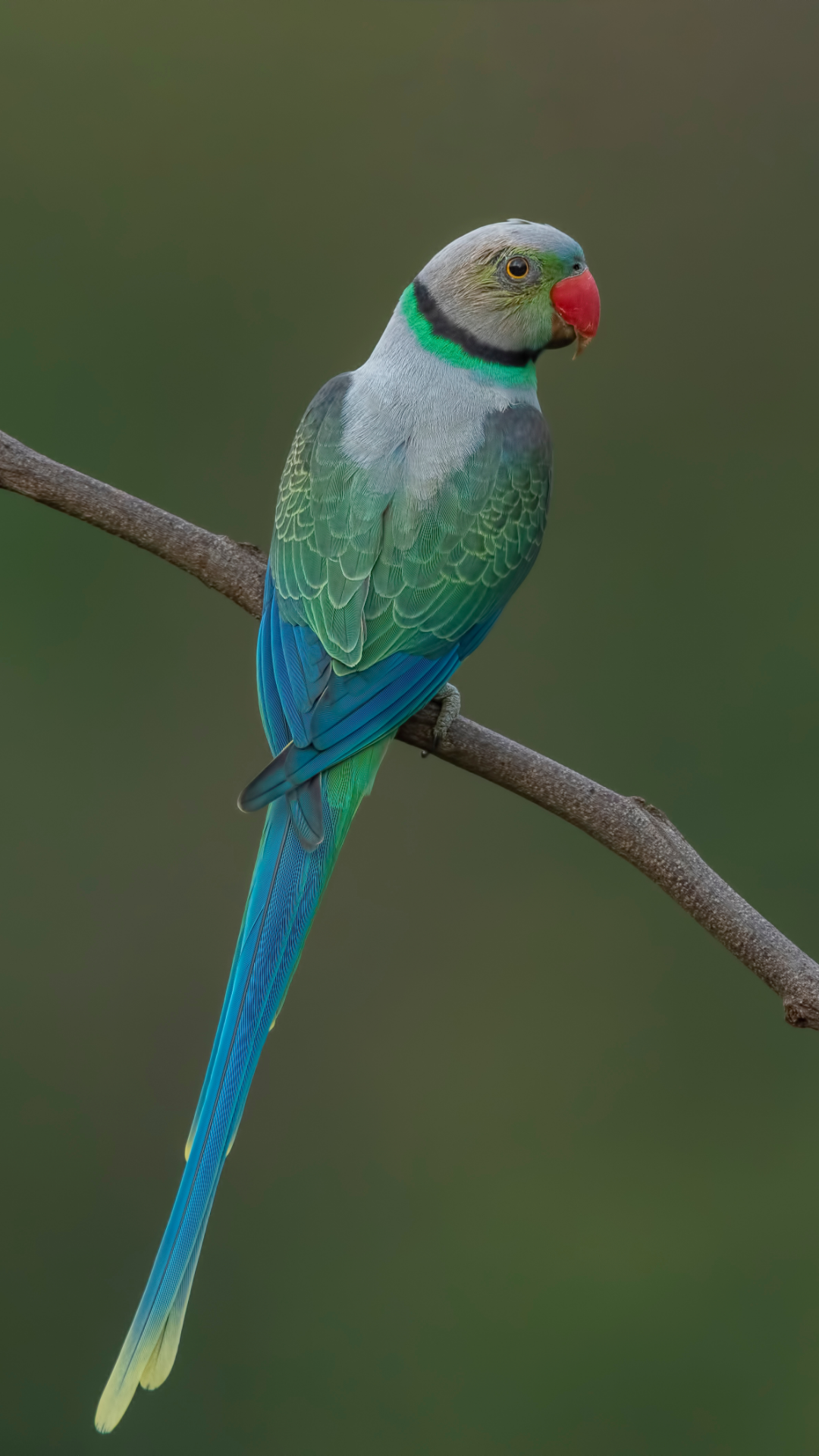
Among several sites, it’s advisable to spend a major amount of time in the Bondla Wildlife Sanctuary, focusing on finding those species that are Western Ghats endemics, forest and south Indian specialties, and any other species of interest that are found in the area. This includes specialties like Malabar Grey Hornbill, Crimson-backed Sunbird, Blue-winged Parakeet, Tickell’s Blue Flycatcher and Malabar Whistling Thrush! At night, you can listen for the calls of owls, nightjars, and Sri Lanka Frogmouth. Among the smaller wildlife sanctuaries in Goa, Bondla is located on the lush Wester Ghat foothills. The Rangado river flows on the eastern side of the sanctuary and Mandovi river is on the northern side. One can spot a variety of birds, including Brown Fish Owl, Flame-throated Bulbul, Indian Scimitar and Puff-throated Babblers, White-bellied Woodpecker, and more


Throughout much of the trip, you will be based in Baga or Calangute. On a couple of occasions you can walk through the fields immediately behind your hotel; in years where the monsoon has been particularly substantial, these fields will be damp underfoot. 

Raptors are particularly well represented in Goa with Black and Brahminy Kites everywhere, and we should also see several spectacular White-bellied Sea Eagles. We’ll visit a harrier roost that contains good numbers of both Montagu’s and Pallid Harriers and where Booted Eagle and both Greater and Indian Spotted Eagles are common. 


Other possible excursions include a backwater river trip in search of crocodiles and the endemic Goan subspecies of Collared Kingfisher and trips to the local craft and flea markets. 


One of Goa’s avian specialties, Indian Pitta, is a much wanted species seen frequently by our guides on previous visits. 


Apart from birding Goa has many places of cultural and historical interest as well. If time permits, you can also spend time sightseeing in Old Goa and at the Hindu temple of Mangeshi. All of the sites that we'll visit in Goa are at a low altitude – none are above 400 meters.

To More Information's
E: info@asianadventures.in
M: +91 8010450000 

https://asianadventures.net/tours/birds-of-goa


Saturday, 17 April 2021

Which are the best birding areas in Kerala?


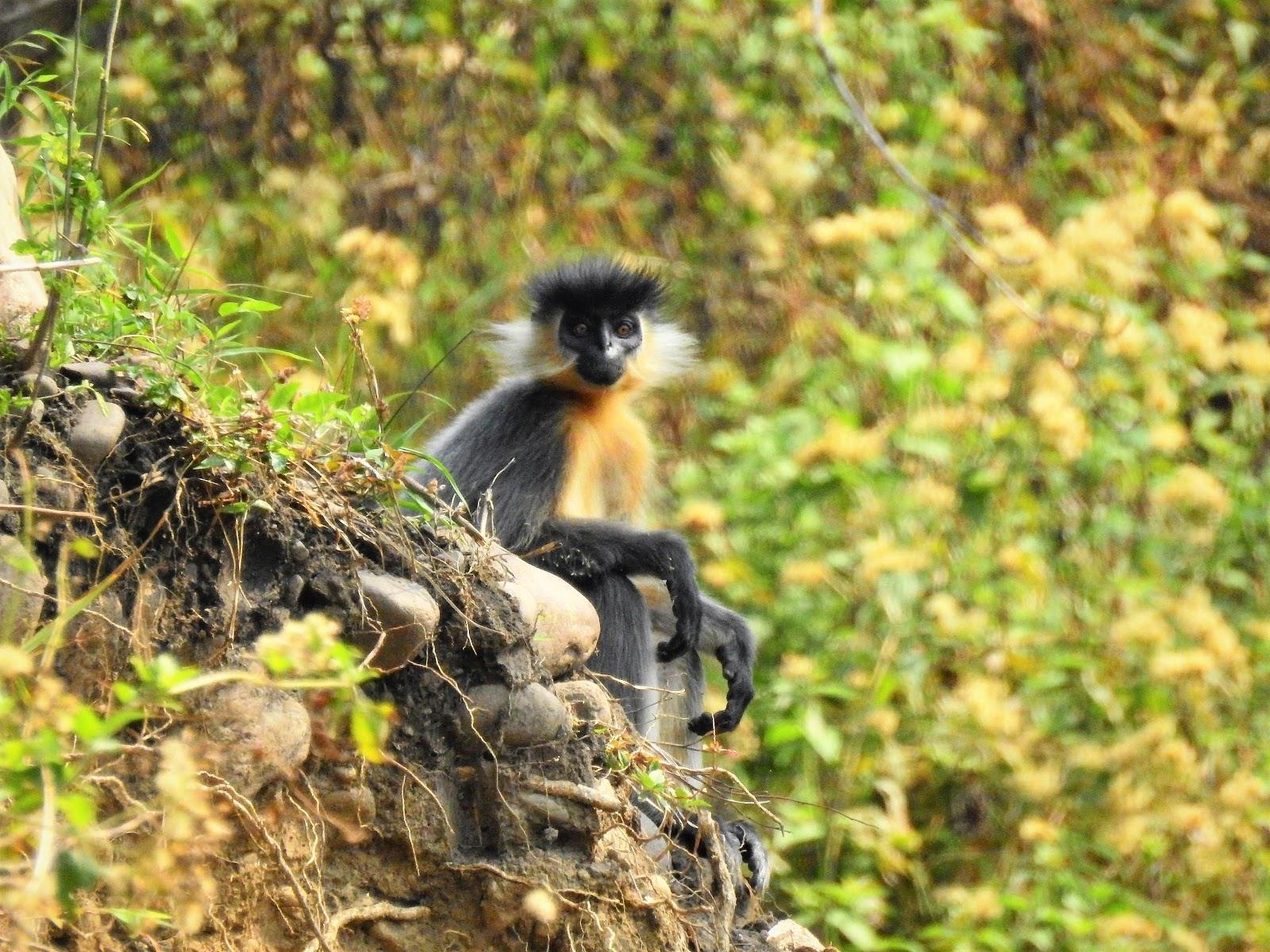
South India is known for its species richness, with a great variety of birds and mammals ranging from Asian Elephant and Nilgiri Langurs to the rare Mouse Deer. Bird species found in South India include White-bellied Treepie, Rufous Babbler, Crimson-backed Sunbird, Wayanad and Palani Laughingthrushes, Blue-winged Parakeet, Malabar Grey Hornbill, Mottled Wood Owl, Sri Lanka Bay Owl, Oriental Scops Owl, Brown Fish Owl, and Spot-bellied Eagle Owl. You should also be able to sight the Red Spurfowl, Grey Junglefowl, Indian Pitta, and the Grey-headed Fish Eagle.


 Two of the most popular birding destinations in South India are Thattekkad, and Munnar. These destinations are not only home to lush picturesque forests, but a variety of wildlife endemic to the Western Ghats.

When travelling here, your trip begins in Cochin, or Kochi where you can visit the Jewish Synagogue, St. Francis Church, the Dutch Palace and the Chinese fishing nets. 

 From Kochi, you will travel onward to Thattekkad bird sanctuary. Thattekkad, officially known as the Salim Ali Bird Sanctuary, is a lowland forest with several types of ecosystems – Riverine, Grasslands, Evergreen, Scrub, Dry Deciduous, Lowland Forest, enabling it to be one of the best birding destinations in India. In Thattekkad, you can enjoy many bird-filled walks in the jungles, which can be very rewarding.


Specialties here include Grey-headed Bulbul, Wayanad Laughingthrush, White-bellied Treepie, Sri Lanka Frogmouth, Malabar Trogon, Red Spurfowl, Sri Lanka Bay Owl, Rufous Babbler, Blue-faced Malkoha, and Brown-breasted, White-bellied, and Rusty-tailed Flycatchers. Other species include Malabar Grey Hornbill, Malabar Whistling Thrush, Blue-bearded Bee-eater, White-bellied and Heart-spotted Woodpeckers, Black-throated Munia, Black-naped Monarch and Brown Hawk-Owl. Relax for a few hours during the heat of the day  before looking for nightjars in the bouldery patches known to the local guides. The nightjars seen here include Great Eared, Jerdon’s, Jungle and Savanna. Here you can also look for Grey Junglefowl, Jungle Owlet, Plain Flowerpecker, Rufous Babbler, Chestnut-headed Bee-eater and many other species. Moreover, Thattekkad is ideal for seeing a good number of butterfly and mammal species.


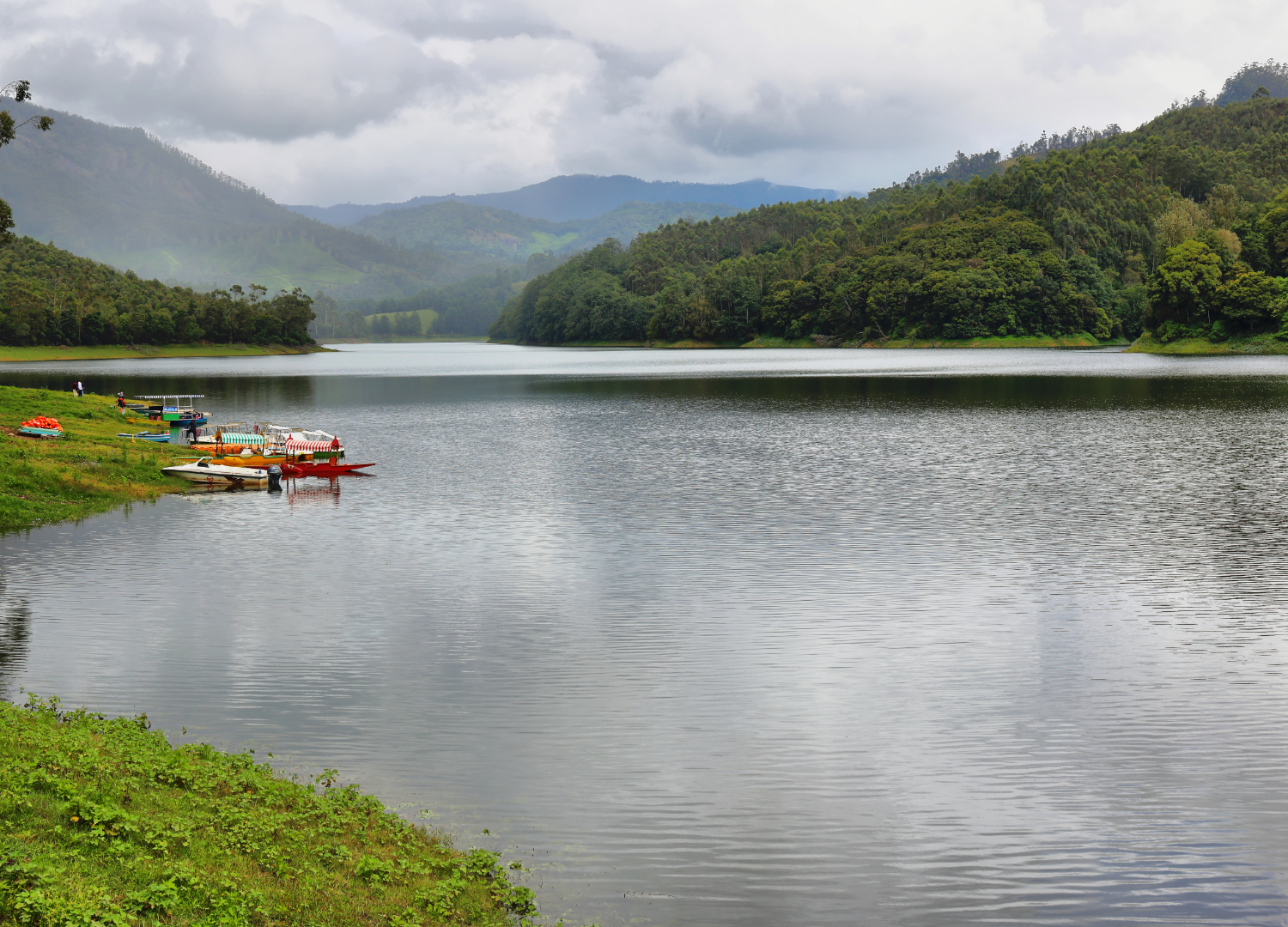
From Thattekkad, you move further to the popular hill station of Munnar. Located at an altitude of 1600m above sea level, Munnar is a haven for peace and tranquility. From vast tea plantations to an array of trekking trails and magical waterfalls, the place is blessed with several scenic spots which are capable of making your southern journey experiential. Munnar has several temples, viewpoints, and waterfalls one can visit, as well as the famous tea plantations. Some of the popular sightseeing places here include the Munnar Tea Plantation, Mattupetty Dam for boating, Munnar Tea Museum. Visit the scenic beauty of Places like Pothamedu, Lock heart point or Gap Road, or take a jeep Safari to Koluthumalai to see the mountain heights of Munnar. One can also shop for farm-fresh spices here, including cardamom, coffee, pepper, cloves, and more.


Apart from the scenic beauty, Munnar is also a fantastic wildlife and birding destination. Around Munnar, the pockets of the “sholas” (a type of alpine meadow specific to the Western Ghats) and Nilgiri mountain grassland ecosystem are home to several of the endemic birds and various mammals including the endemic Nilgiri Tahr. The nearby Eravikulam National Park, and several sholas make for a variety of endemic species.

Contact Us 

E: info@asianadventures.in
M: +91 8010450000
www.junglelore.com

Monday, 21 December 2020

Wild Life & Birding Tour of Manas National park and Meghalaya


Located in the northeast Indian state of Assam, Manas National Park is a haven for birdwatchers.


The main attraction is the Bengal Florican, which can be seen in the grassland areas of the park, as well as Greater Adjutant, Black-tailed Crake, Red-headed Trogon, Swamp Francolin, Wreathed and Rufous-necked Hornbills, Rufous-rumped and Bristled Grassbirds, Rufous-vented Laughingthrush, Finn’s Weaver, Ibisbill, and a variety of other foothill species.


Cherrapunjee, in the state of Meghalaya, is famous for being one of the wettest places in the world. For birders though it is the Tawny-breasted Wren-Babbler that is a key reason to visit: a poorly known endemic species that is almost entirely restricted to Meghalaya.


Many of these birds are highly endangered, and their populations do require constant monitoring. This tour aims at learning about, as well as contributing towards, the monitoring efforts being carried out here.


E: info@asianadventures.in 
M: +91 8010450000
Don’t miss joining our ‘conservation-travel’ community! Click Here

Tuesday, 31 March 2020

chambal wildlife sanctuary


Last year, my wife and I decided to visit the Chambal River Sanctuary for birdwatching. We’re both somewhat avid birdwatchers (not as amateur as some, but at the same time not the hardcore birders who travel for months on end). Living in Delhi, we had both done Bharatpur multiple times, but had somehow never added Chambal to our itinerary (much to the chagrin of our birding friends).


 After much planning, and a little delaying, we finally visited Chambal last February. We decided to save some time by skipping Bharatpur, since it was not a new place to us, and going directly to Chambal, more specifically Dholpur.


So after breakfast on the first day of our trip, we left Delhi for the National Chambal Sanctuary. This wildlife sanctuary lies along the Chambal River, and is home to some amazing wetland wildlife. We reached our lodge in Chambal just in time for lunch. Since we didn’t have any boat safaris or other activities planned for the day, we decided to go for a short afternoon nature trail near our lodge, where we saw Indian Scops Owl, Spotted Owlet, Brown-headed Barbet, Yellow-wattled Lapwing, Indian Thick-knee, and Indian Silverbill. We returned to our lodge by evening.


After an amazing dinner, we were still a little restless (and full from the food) so we decided to take a little night time walk to clear our heads and stomachs, and, at the same time, see if we could spot any nocturnal wildlife. While we didn’t get to see any owls or nightjards, I would still count our luck as fantastic as we managed to spot an Indian Palm Civet, which is normally very shy and reclusive.

The following morning, we had our boat safari in Chambal. On our way to the river, we did some light birdwatching, spotting birds like White-eyed Buzzard, Indian Silverbill, Long-tailed Shrike, and Greater Coucal. We then got to our designated boat and proceeded along the river. The boat safaris can be booked online, but we decided to save ourselves the trouble and got the lodge to do it for us.


Boating along the amazing River Chambal, one of the cleanest rivers I’ve ever seen, we got some amazing bird sightings, including Indian Skimmer, Black-bellied Tern, Bar-headed Goose, Pallas’s Gull, Long-legged Buzzard, Kentish and Little Ringed Plovers, Sand Lark, and Wire-tailed Swallow. We also saw plenty of Marsh Crocodiles (Mugger), as well as Gharials (also known as Fish-eating Crocodile), which Chambal is famous for, as well as an Indian Tent Turtle and Softshell Turtle. But the most amazing sighting was a Gangetic Dolphin that leaped out of the water very close to our boat. Despite everyone getting clear views of it, its movement was so fast that neither managed to get a photo.


After returning to our lodge and having lunch, we chatted with the staff as to what other activities could be done. After a few suggestions, we decided to to visit the nearby Bateshwar Temple. We’re not very religious but the temple, and the surrounding patch is very beautiful, and also peaceful and calming. After visiting the temple, we visited a nearby village known as Holipura. This small, neat and tidy village has many old houses, all of which belong to the same family. In fact, the entire village is occupied by the same extended multi-generation family. We then returned to our lodge.

Finally, it was our last morning in Chambal. After a hearty breakfast, and a small nature trail around our lodge, we started our drive back to Delhi.

For all those visiting Bharatpur, I strongly suggest adding a day to do a full-day excursion to Chambal. Not only will this save you a lot of time in planning a separate trip, but you will also be marvelled at how amazing a region once infamous for its bandits, is now a prime 


E: info@asianadventures.in

Don’t miss joining our ‘conservation-travel’ community! Click Here

Wednesday, 11 March 2020

Manas National Park – Best Time to Visit and Things to Do


Manas National Park in Assam is well regarded as a natural heritage, biosphere reserve, Project Elephant Reserve and Project Tiger Reserve at once. The national park lies on the foothills of Himalayas and is flanked by the Manas River, from which it gets its name. It is home to Wild Water Buffalos and Royal Bengal Tiger with plenty of activities to enjoy. Manas National Park is a land of fulfilling experience and wholesome adventure in nature.


About Manas National Park
Manas National Park is a densely forested region in the Eastern Himalayas. The Manas River is a huge tributary with five different rivers along with the Brahmaputra River. The Savannah bedrocks are formed of sandstone and limestone. You can get a permit from the Field's Director Office to enter the park on Barpeta Road. Forest department doesn’t offer any guide or jeep. So, you need to hire private jeeps. You can also take your personal vehicle in the park. Bansbari Range Office also receives entry fee to the park.


Best Time to Visit
The best time to visit Manas National Park is between November and April, when the weather is pleasant and there are high chances of spotting wild animals. The park remains open daily except for safety concerns or rain. From May to October, the park is open for a short period. The park remains closed in monsoons, i.e. from June to September.

 Things to do

Jeep Safari
Many endangered animals and bird species call the wilderness of Manas National Park their home. You can spot exotic and rare animals in Manas wildlife sanctuary like Pygmy Hog, Roofed Turtle, Hispid Hare, Bengal Florican, Indian Rhinoceros, and more.

Timings – 9AM to 12PM for Morning Safari and 2PM to 5PM for Afternoon Safari

Elephant Safari
An elephant safari is also available to get up close to more wild animals. These beautiful giants will take you through the areas where jeep cannot enter. So, be ready to get a unique insight to the park.

Timings – 6AM and 7AM

Getting There

By Rail – Guwahati is well connected to all major cities of the country and it’s the only railway station of its kind in North East. A lot of trains originate and halt here, including Rajdhani Express. From there, you can hop on another train to Barpeta station which is located only 22 km by road from Manas.

By Air – Similarly, Guwahati is the closest airport which is 180km away. You can easily take regular flights from different cities like Jaipur, Mumbai, New Delhi, and Bangalore. From the airport, you can hire a cab or taxi.

By Road – Manas also has good road connectivity from Guwahati, which takes up to 5 hours to cover 176 km.  


E: info@asianadventures.in

Don’t miss joining our ‘conservation-travel’ community! Click Here


Tuesday, 10 March 2020

Ranikhet Hill Station – A Complete Tour Guide to Visit the “Queen’s Meadow”


Ranikhet is one of the most exotic hill stations of Uttarakhand in Almora district. This cantonment town was initially developed by British rulers. It serves as a home to Naga Regiment, Kumaon Regiment, and Military Hospital and is completely managed by Indian Army.

Ranikhet is well regarded as “Queen’s Meadow” and the town served as a home to Rani Padmini. It was once the summer capital of British rulers but proposal to make it the same was shelved. It is located at around 1869m above sea level in Kumaon Hills and is covered by dense greens of Deodar and Oak forests. The upper landscapes are called Chaubatia Ridge which is located at around 2116m of altitude.

Climate
With its high altitude, Ranikhet has cool climate all year round and in winter, it gets a lot of snowfall. Summer starts late in March and lasts till May. But the temperatures still remain below 22 degrees and summers are very pleasant and mild. The monsoon starts at the end of the month of June and continues till September. The region is covered by beautiful greens and has most picturesque scenery due to rains. In Ranikhet , the winters start really early in October and ends in February. The higher areas often get snowfall and temperature goes below freezing range.


When to Visit Ranikhet?
You can easily visit Ranikhet in most times of the year and temperature remains very pleasant in summers. So, you can easily roam all day long and capture the true beauty of nature in the summer months. It becomes a natural paradise in monsoons but mountain rains are very heavy. So, you should avoid getting there during the rainy season as it is prone to landslides.

Things to do in Ranikhet
There is no lack of artificial and natural attractions in Ranikhet so visitors can relax and get an ideal escape from daily hustles and bustles. Ranikhet is covered by serene forests and have a lot of fauna species like mountain goat, leopard, barking deer, red fox, pine marten, Indian hare and jackal.


If you are on Central Himalayan birding tour in India, Ranikhet becomes a bird watcher’s paradise in summers. Also visit the army museum here, which is completely managed by Naga Regiment and Kumaon Regiment of Indian Army. You can watch several photographs, memorials and different stories related to World War I.

Jhula Devi Temple is another worthwhile attraction, which is devoted to Goddess Durga. The deity is known to fulfill all wishes of devotees who tie the bells on its walls. In its proximity is Ram Mandir which also has monastery where ancient Vedas and Vedic mathematics are taught to the students.


You can chill and relax at Chaubatia gardens which are covered by dense flowery meadows and fruit orchards. You can capture the exotic views of Himalayas and even buy fresh honey and fruits from souvenir shops. You can also view Nanda Devi peaks from several parts of this town. 


E: info@asianadventures.in

Don’t miss joining our ‘conservation-travel’ community! Click Here